
Nickel 200 and Nickel 201 are two of the most widely used commercially pure nickel grades in industrial applications.
Both materials offer excellent corrosion resistance, high electrical conductivity, good thermal conductivity, and outstanding performance in harsh chemical environments.
Because their properties are very similar, many engineers and purchasing teams often ask:
What is the difference between Nickel 200 and Nickel 201?
The main difference is the carbon content.
Nickel 201 was developed as a low-carbon version of Nickel 200 to improve performance at elevated temperatures, especially in environments where carbon contamination or graphitization may occur.
Understanding the difference between these two grades helps engineers select the right nickel material for their specific application.
What Is Nickel 200?
Nickel 200 is commercially pure nickel with a nickel content of approximately 99%.
It has been widely used for decades because of its excellent combination of:
- Corrosion resistance
- Electrical conductivity
- Thermal conductivity
- Magnetic properties
- Mechanical performance
Nickel 200 is particularly suitable for environments involving:
- Caustic alkalis
- Fluorine compounds
- Neutral salt solutions
- Marine environments
- Chemical processing
What Is Nickel 201?
Nickel 201 is a low-carbon version of Nickel 200.
The primary purpose of reducing carbon content is to improve resistance to:
- High-temperature exposure
- Carbon precipitation
- Graphitization
At elevated temperatures, carbon can react with nickel and affect mechanical properties.
By limiting carbon content, Nickel 201 maintains better ductility and reliability during long-term high-temperature service.
Nickel 200 vs Nickel 201 Chemical Composition Comparison
The main difference between Nickel 200 and Nickel 201 is carbon content.
| Element | Nickel 200 | Nickel 201 |
|---|---|---|
| Nickel (Ni) | ≥99.0% | ≥99.0% |
| Carbon (C) | Higher | Lower |
| Copper (Cu) | Small amount | Small amount |
| Iron (Fe) | Small amount | Small amount |
Nickel 201 typically contains carbon levels below 0.02%, while Nickel 200 allows higher carbon content.
This small chemical difference creates important performance differences in high-temperature applications.
Mechanical Property Comparison
| Property | Nickel 200 | Nickel 201 |
|---|---|---|
| Nickel Content | ≥99% | ≥99% |
| Carbon Content | Higher | Lower |
| Corrosion Resistance | Excellent | Excellent |
| Electrical Conductivity | Excellent | Excellent |
| Thermal Conductivity | Excellent | Excellent |
| High Temperature Performance | Good | Better |
| Ductility After High Temperature Exposure | Lower | Higher |
For normal temperature applications, the performance difference between Nickel 200 and Nickel 201 is often minimal.
However, for continuous high-temperature service, Nickel 201 is usually preferred.
Corrosion Resistance Comparison
Both Nickel 200 and Nickel 201 provide excellent corrosion resistance.
They perform well in:
Alkaline Environments
Nickel is highly resistant to:
- Sodium hydroxide
- Potassium hydroxide
- Other caustic solutions
This makes nickel materials widely used in chemical processing industries.
Fluorine Applications
Nickel 200 and Nickel 201 show good resistance to dry fluorine and certain fluorine compounds.
Typical applications include:
- Chemical processing equipment
- Fluorine handling systems
- Specialized reactors
Marine Environments
Nickel materials maintain good corrosion resistance in:
- Seawater
- Salt solutions
- Humid environments
High Temperature Performance: Nickel 200 vs Nickel 201
This is where the biggest difference appears.
Nickel 200 may experience carbon-related issues during prolonged exposure to temperatures above approximately 315°C.
Carbon can combine with nickel and form graphite, which may reduce:
- Ductility
- Mechanical reliability
- Long-term service life
Nickel 201, with its lower carbon content, reduces this risk.
Therefore:
Choose Nickel 201 when the operating temperature is high and long-term stability is important.
Applications of Nickel 200
Nickel 200 is commonly used in:
Chemical Processing
- Chemical storage tanks
- Pipes
- Valves
- Reactors
Electrical Industry
- Electronic components
- Conductive parts
- Battery components
Food Processing
- Equipment exposed to alkaline cleaning solutions
Marine Industry
- Corrosion-resistant components
Applications of Nickel 201
Nickel 201 is preferred for:
High Temperature Chemical Equipment
- Reactors
- Heat exchangers
- Processing vessels
Caustic Evaporation Systems
- Sodium hydroxide equipment
- Alkali concentration systems
Electronics and Energy Applications
- Battery components
- Electrical connections
Aerospace and Specialized Engineering
Where long-term thermal stability is required.
Nickel 200 vs Nickel 201: Which One Should You Choose?
Choose Nickel 200 when:
✔ Operating temperature is moderate
✔ Excellent corrosion resistance is required
✔ Electrical conductivity is important
✔ Standard industrial applications
✔ Cost efficiency is a priority
Choose Nickel 201 when:
✔ Equipment operates at elevated temperatures
✔ Long-term exposure above 300°C is expected
✔ Carbon contamination must be minimized
✔ Higher ductility after heating is required
Nickel 200 and Nickel 201 Product Forms
Commercial nickel materials are available in various forms:
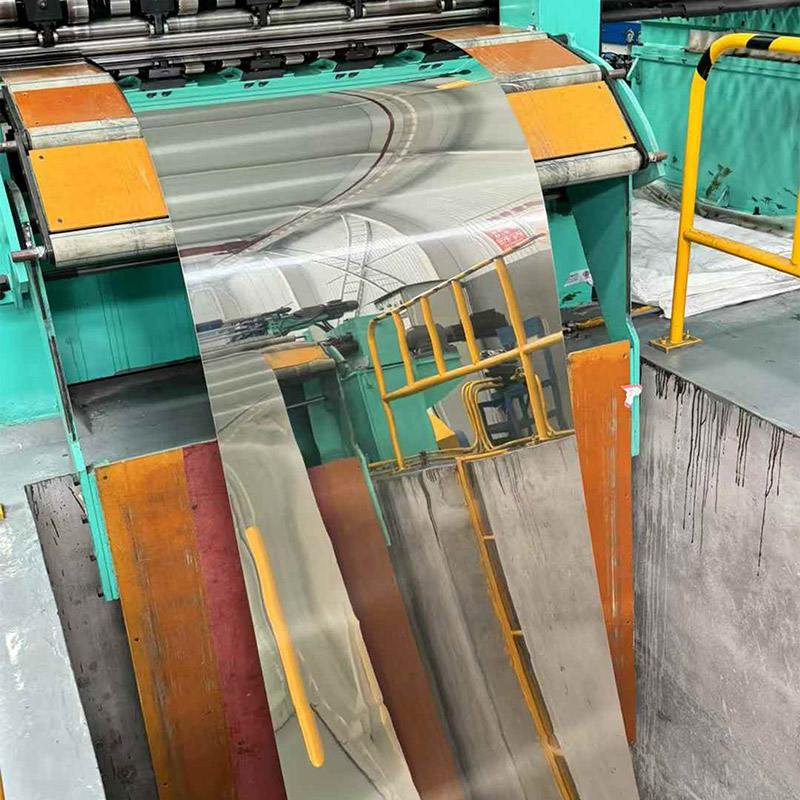
Nickel Plate
Used for:
- Chemical equipment
- Pressure vessels
- Fabrication projects
Nickel Bar
Used for:
- Machined components
- Shafts
- Valves
- Precision parts
Nickel Tube
Used for:
- Heat exchangers
- Chemical pipelines
- Corrosion-resistant systems
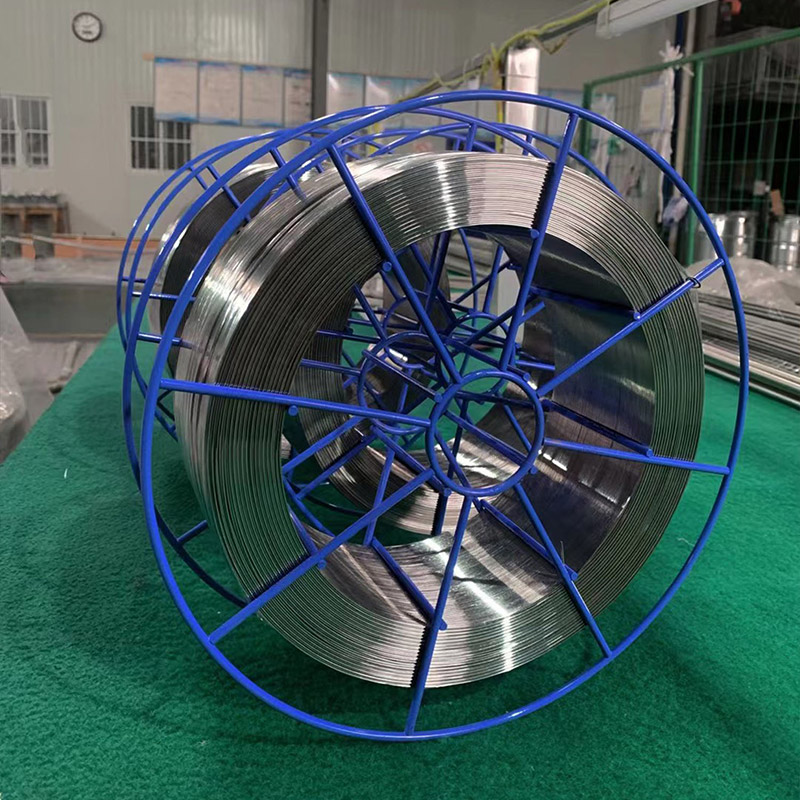
Nickel Wire
Used for:
- Electrical applications
- Welding
- Industrial components
ASTM Standards for Nickel 200 and Nickel 201
Common specifications include:
- ASTM B160 — Nickel Rod and Bar
- ASTM B161 — Nickel Seamless Tube and Pipe
- ASTM B162 — Nickel Plate, Sheet and Strip
- ASTM B730 — Nickel Wire
When purchasing nickel materials, customers should confirm:
- Material grade
- ASTM specification
- Dimensions
- Surface condition
- Mechanical requirements
- Inspection documents
How to Select a Reliable Nickel Material Supplier
A professional nickel supplier should provide:
- Material Test Certificate (MTC)
- Chemical composition report
- Mechanical property data
- Dimensional inspection
- Traceability documentation
- Customized sizes
For industrial applications, consistent material quality is essential for equipment reliability and long service life.
Our Nickel Manufacturing Capabilities
Shaanxi Metres Metals Manufacturing Co., Ltd. supplies nickel materials for industrial applications worldwide.
Our nickel product range includes:
- Nickel Plates
- Nickel Bars
- Nickel Tubes
- Nickel Wires
- Custom Nickel Components
Available grades include:
- Nickel 200
- Nickel 201
Products can be supplied according to ASTM standards and customer-specific requirements.
Conclusion
Nickel 200 and Nickel 201 are both excellent commercially pure nickel materials with outstanding corrosion resistance and electrical properties.
The key difference is carbon content.
Nickel 200 is suitable for general industrial applications, while Nickel 201 is the better choice for high-temperature environments where long-term stability and resistance to carbon-related issues are required.
Selecting the correct nickel grade ensures better performance, longer service life, and improved cost efficiency for industrial equipment.