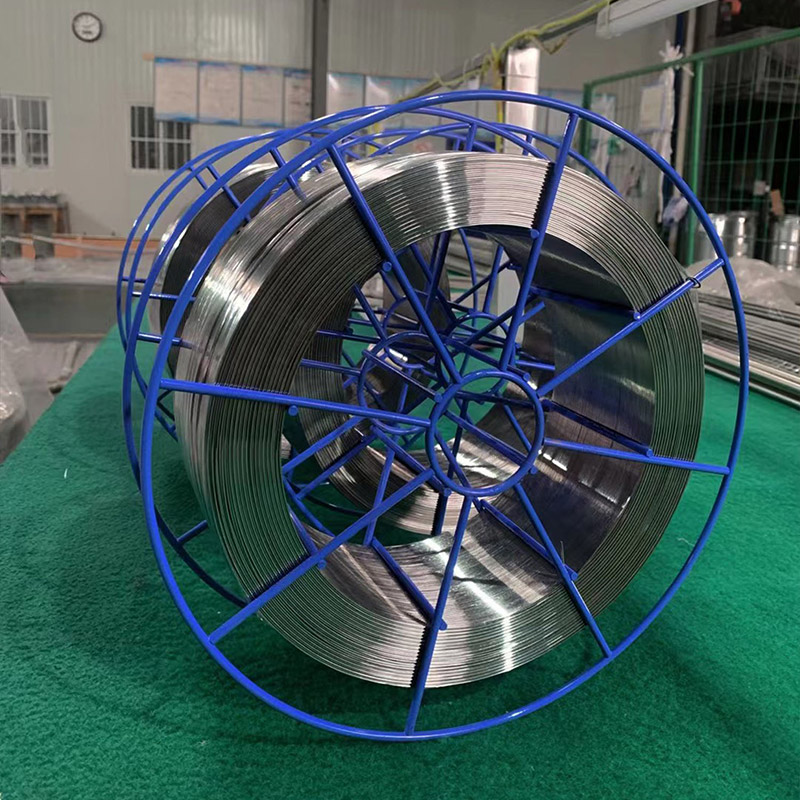

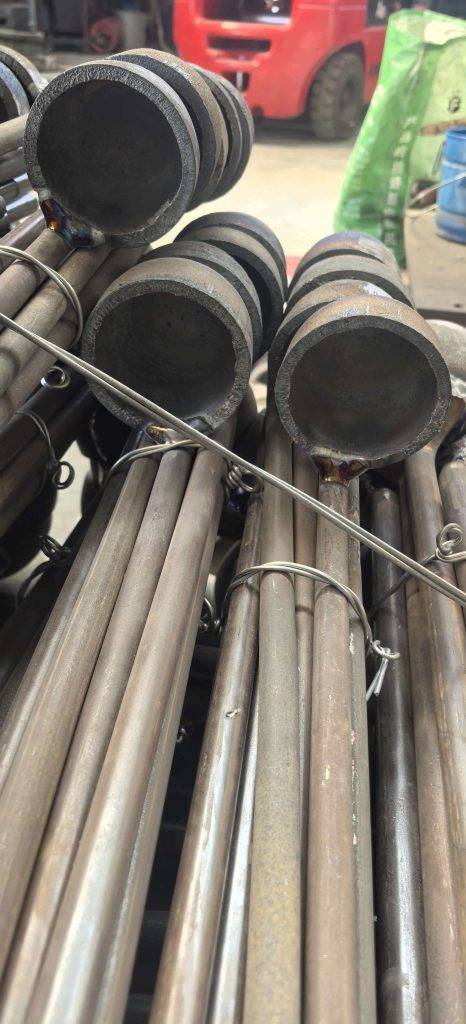
Rare earth electrolysis is a critical process for producing high-purity rare earth metals such as Neodymium (Nd), Praseodymium (Pr), Lanthanum (La), and Cerium (Ce).
During electrolysis, electrode performance directly influences process stability, energy efficiency, and production consistency.
Among various electrode materials, tungsten is widely considered for demanding high-temperature electrochemical environments due to its excellent temperature resistance, mechanical strength, and stability.
This article explains why tungsten cathodes are used in rare earth electrolysis and how they contribute to more stable production operations.
The Role of Cathodes in Rare Earth Electrolysis
In rare earth electrolysis systems, the cathode is one of the most important components of the cell.
During operation, the cathode participates in the electrochemical reaction where rare earth ions are reduced and deposited as metallic rare earth products.
A stable cathode helps support:
- Consistent electrical performance
- Stable current distribution
- Reliable metal deposition
- Longer operating cycles
- Reduced maintenance frequency
Because the cathode operates continuously under high-temperature conditions, material selection is critical.
Why Tungsten Is Used as a Cathode Material
Tungsten has several properties that make it suitable for severe electrochemical environments.
1. Extremely High Temperature Resistance
Tungsten has one of the highest melting points among metals.
This allows tungsten components to maintain structural stability under high-temperature operating conditions.
In rare earth electrolysis, where molten salts and metallic products are involved, maintaining electrode integrity is essential for continuous operation.
2. Excellent Mechanical Strength at High Temperature
Many materials lose mechanical strength when exposed to elevated temperatures.
Tungsten maintains relatively high strength even under demanding thermal conditions.
This helps reduce issues such as:
- Electrode deformation
- Mechanical failure
- Unstable electrode positioning
A stable electrode structure contributes to more predictable cell operation.
3. Good Dimensional Stability
Electrolysis cells require precise electrode positioning.
Changes in electrode shape or size can influence:
- Current distribution
- Electrode spacing
- Local reaction conditions
The dimensional stability of tungsten helps maintain consistent operating conditions during long production cycles.
4. Resistance to High-Temperature Environments
Rare earth electrolysis involves complex molten salt systems and high operating temperatures.
Electrode materials must withstand:
- Thermal stress
- Continuous immersion
- Chemical interaction with the electrolyte environment
Tungsten is selected in many applications because it performs reliably under these challenging conditions.
Tungsten Cathodes vs Conventional Electrode Materials
Different electrode materials have different advantages depending on the process.
Carbon-Based Electrodes
Carbon materials are widely used in many electrochemical industries.
Advantages:
- Lower cost
- Good electrical conductivity
- Easy processing
However, carbon electrodes may face limitations in certain high-temperature rare earth applications due to:
- Carbon contamination concerns
- Consumption during operation
- Dimensional changes
Tungsten Cathodes
Advantages include:
✓ High-temperature stability
✓ Excellent mechanical strength
✓ Long service capability under suitable conditions
✓ Stable geometry during operation
For contamination-sensitive rare earth production, tungsten can be an attractive option.
Applications of Tungsten Cathodes in Rare Earth Production
Tungsten cathodes are commonly considered for applications including:
- NdPr alloy electrolysis
- Neodymium metal production
- Praseodymium metal production
- Lanthanum and Cerium electrolysis
- High-temperature laboratory electrochemical research
The exact electrode design depends on:
- Cell structure
- Current density
- Electrolyte system
- Operating temperature
- Production requirements
Factors That Affect Tungsten Cathode Performance
Although tungsten has excellent properties, actual performance depends on proper engineering design.
Important factors include:
Cathode Dimensions
Diameter, length, and shape affect:
- Current distribution
- Heat transfer
- Installation requirements
Surface Condition
Surface quality may influence:
- Initial operation stability
- Metal deposition behavior
- Electrode service life
Operating Parameters
Performance depends on:
- Temperature control
- Current density
- Electrolyte composition
- Maintenance procedures
Correct matching between electrode design and process conditions is essential.
How to Select the Right Tungsten Cathode
Before selecting a tungsten cathode, engineers should consider:
- Electrolysis process type
- Working temperature
- Current requirements
- Electrode dimensions
- Cell structure
- Expected operating lifetime
- Required tungsten purity
For many high-temperature rare earth applications, tungsten with high purity is selected to provide reliable performance.
Importance of Tungsten Purity
Purity is an important consideration for tungsten electrodes.
Common industrial requirements include:
- High tungsten content
- Controlled impurity levels
- Stable mechanical properties
Higher purity tungsten helps reduce the risk of unwanted elements entering sensitive metallurgical processes.
The appropriate specification should be selected according to the actual application.
Improving Electrolysis Stability Through Better Electrode Selection
A stable electrolysis process depends on many factors:
- Furnace design
- Electrolyte management
- Temperature control
- Current parameters
- Electrode material
- Maintenance practices
The cathode is only one part of the complete system.
However, selecting a suitable electrode material can help improve operational reliability and reduce electrode-related problems.
Conclusion
Tungsten cathodes are widely used in demanding rare earth electrolysis applications because of their excellent high-temperature strength, dimensional stability, and resistance to severe operating environments.
For processes involving Nd, Pr, La, Ce, and other rare earth metals, a properly designed tungsten cathode can support stable electrolysis operation and consistent production performance.
The best electrode solution should always be selected according to the actual cell design, operating conditions, and production requirements.
Need a Custom Tungsten Cathode for Rare Earth Electrolysis?
We provide customized tungsten rods and tungsten cathode components for high-temperature metallurgical applications.
To recommend a suitable electrode solution, please provide:
- Electrolysis process type
- Working temperature
- Current capacity
- Cathode dimensions
- Tungsten purity requirement
- Existing electrode drawings or specifications
Our engineering team can support customized tungsten cathode design for rare earth metal production and other high-temperature applications.