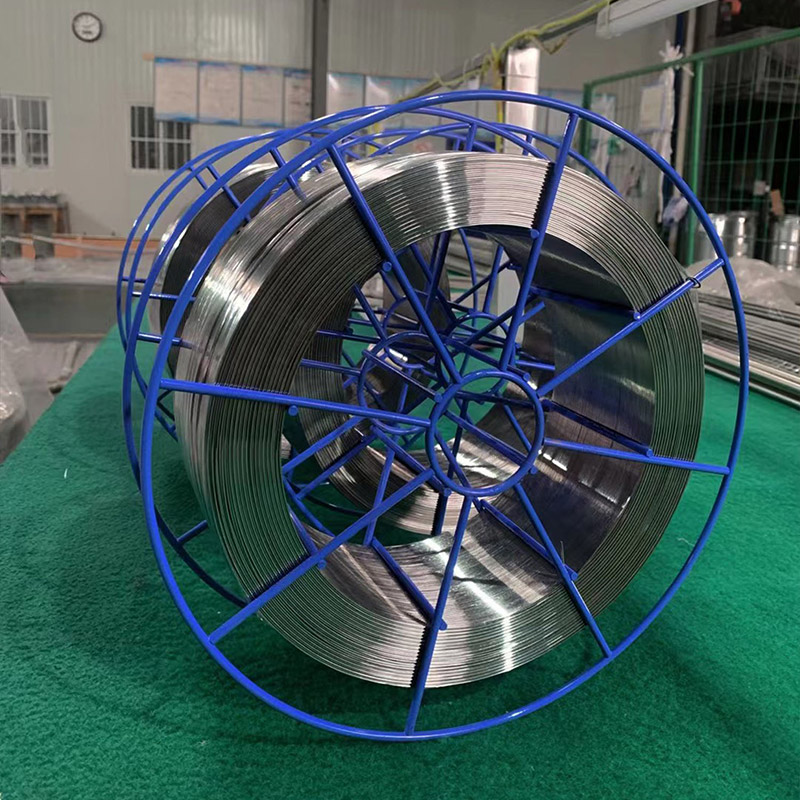

What is Titanium?
Titanium (Chemical Symbol: Ti, Atomic Number: 22) is a premium lustrous transition metal celebrated globally for its exceptional strength-to-weight ratio, outstanding corrosion resistance, and superior biocompatibility. Often hailed as the “Space Metal” and “Bio-Metal,” titanium is an indispensable engineering material for high-performance and harsh-environment applications.
While titanium is abundant in the Earth’s crust, refining it requires a complex, energy-intensive process—such as the Kroll Process—conducted under strict vacuum or inert gas protection. This high technical threshold makes titanium a premium, high-value asset in modern manufacturing.
Core Performance & Material Properties
1. Exceptional Strength-to-Weight Ratio
Titanium possesses the highest strength-to-density ratio of any metallic element. It matches the tensile strength of standard carbon steels but is 45% lighter. Additionally, it is twice as strong as aluminum, making it the premier choice for structural lightweighting.
2. Unrivaled Corrosion Resistance
At ambient temperatures, titanium spontaneously forms a micro-thin, highly adherent, and continuous oxide protective film (${\text{TiO}}_2$). This passive layer provides permanent resistance against sea water, marine environments, wet chlorine gas, and aggressive acids (including Aqua Regia, dilute hydrochloric acid, and sulfuric acid).
3. High Thermal & Cryogenic Stability
With a melting point of $1668^\circ\text{C}$, titanium retains its mechanical integrity and high tensile strength at elevated operating temperatures up to $500^\circ\text{C}$. Concurrently, it maintains excellent ductility and fracture toughness at cryogenic temperatures down to $-253^\circ\text{C}$ without low-temperature embrittlement.
4. Excellent Biocompatibility
Titanium is non-toxic, non-magnetic, and completely bio-inert. It resists corrosion from human bodily fluids and exhibits unique “osseointegration” properties, allowing bone tissue to bond directly to the metal surface without immune rejection.