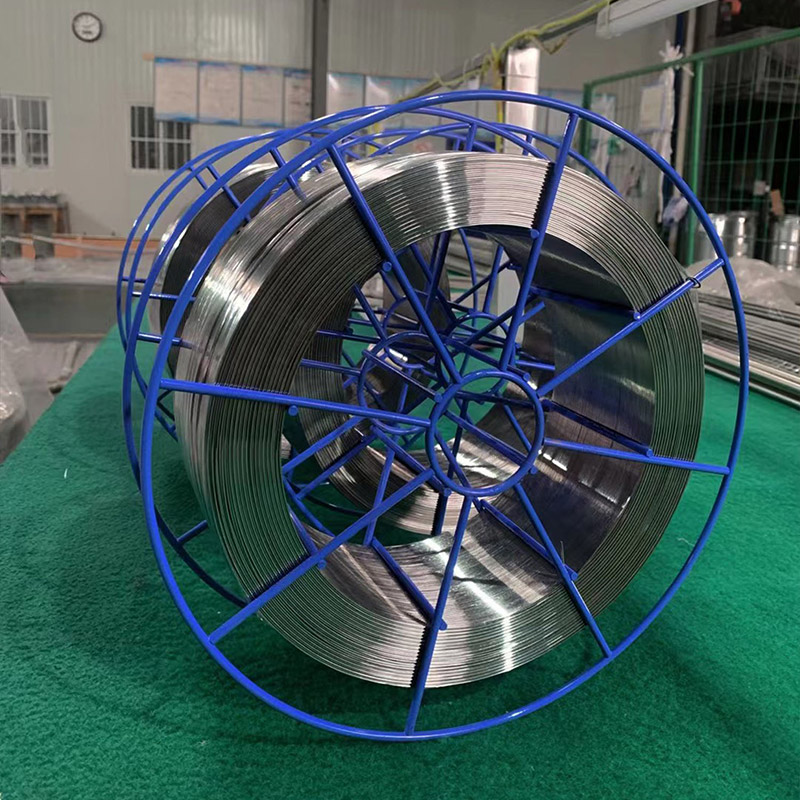

(Meta Description): A comprehensive guide to Titanium (Ti). Explore its unique atomic structure, physical and chemical properties, geology, and how it transformed modern engineering.
What is Titanium?
Titanium (Chemical Symbol: Ti, Atomic Number: 22) is a silver-gray transition metal located in Period 4, Group IVB of the periodic table. Discovered in 1791 by William Gregor and named after the Titans of Greek mythology by Martin Heinrich Klaproth, titanium has revolutionized modern metallurgy.
Often called the “Space Metal,” titanium is defined by its low density, high mechanical strength, and exceptional resistance to corrosion.
Abundance and Geological Extraction
Although historically classified as a “rare metal” due to the difficulty of its extraction, titanium is actually the 10th most abundant element in the Earth’s crust (accounting for approximately 0.56%). It is far more common in nature than copper, zinc, or tin.
The primary ores used for commercial titanium production are:
-
Ilmenite (FeTiO3)
-
Rutile (TiO2)
Extracting pure metal from these mineral deposits requires complex, high-temperature chemical engineering. In industrial manufacturing, we primarily utilize the Kroll Process, where rutile or ilmenite is converted into Titanium Tetrachloride (TiCl4) and then reduced with molten magnesium under a strict inert gas (argon) atmosphere to produce sponge titanium.
Core Physical and Chemical Properties
1. Unmatched Strength-to-Weight Ratio
Pure titanium exhibits a density of 4.54 g/cm³—making it 43% lighter than steel while maintaining a comparable tensile strength. It is only slightly heavier than aluminum but boasts twice the hardness.
2. Ultimate Corrosion Resistance
At ambient temperatures, titanium spontaneously forms a micro-thin, highly adherent, and stable passive oxide film (TiO2). This shield protects the metal from hostile environments, including seawater, wet chlorine gas, and aggressive acids like Aqua Regia, nitric acid, and dilute sulfuric acid.
3. High Thermal Stability
With a high melting point of 1668℃ (1942 K) and a boiling point of 3287℃, titanium retains its mechanical integrity at high operating temperatures where traditional aluminum alloys fail.