
H1:Rare Earth Metallurgy Contamination Control in NdPr Production Process
Rare earth metallurgy, especially NdFeB-related production such as Neodymium (Nd) and Praseodymium (Pr), requires extremely strict contamination control during melting and processing.
Even trace levels of oxygen (O) or nitrogen (N) can significantly affect final magnetic performance, microstructure stability, and overall material quality.
This article explains the main contamination sources in rare earth melting processes and why contact materials such as sampling tools, crucibles, and electrodes play a critical role in process stability.
H2:Why NdPr Rare Earth Metals Are Highly Reactive
In molten state, Nd and Pr exhibit extremely high chemical activity.
Key characteristics include:
- Strong affinity for oxygen (O)
- Strong affinity for nitrogen (N)
- High reactivity with many refractory materials
- Sensitivity to small atmospheric fluctuations
Even in controlled furnace environments, contamination can still occur through:
- Furnace atmosphere instability
- Raw material impurities
- Contact with processing tools and containers
This makes NdPr systems fundamentally different from conventional metal melting processes.
H2:The Real Challenge in Rare Earth Metallurgy Is Contamination Control
In industrial production, focus is often placed on:
- Furnace temperature control
- Alloy composition design
- Refining efficiency
However, the real limiting factor is often:
Maintaining chemical purity across the entire handling and processing chain.
Even when melting conditions are stable, contamination introduced during processing can lead to:
- Composition drift
- Inclusion formation
- Reduced magnetic performance
- Batch-to-batch inconsistency
H2:Why ppm-Level Impurities Matter in NdFeB Materials
Rare earth permanent magnet materials are extremely sensitive to impurity levels.
Even ppm-level (parts per million) contamination can result in:
- Reduced coercivity
- Lower energy product (BHmax)
- Microstructural defects
- Reduced long-term stability
This is why rare earth metallurgy requires much stricter control compared to conventional steel or non-ferrous metal processing.
H2:Critical Sources of Contamination in Rare Earth Melting
One of the most overlooked contamination sources is not the furnace or raw material, but the contact interface materials, including:
- Sampling tools
- Crucibles
- Electrodes and conductive components
- Transfer and holding systems
These components are in direct physical and chemical contact with molten rare earth metals and therefore play a key role in process stability.
H2:Why Contact Material Selection Is Critical for Process Stability
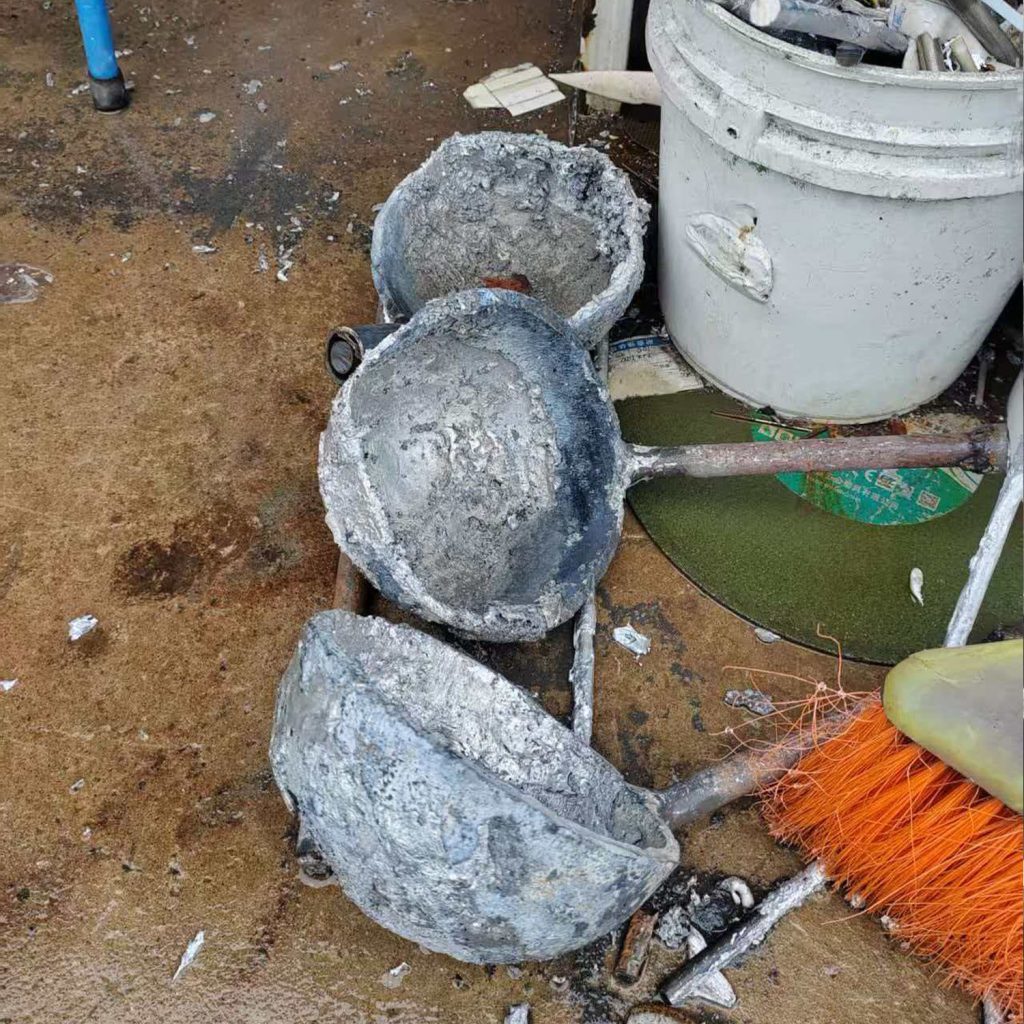
At high temperatures, interactions between molten rare earth metals and contact materials may include:
- Chemical reactions at the interface
- Diffusion-driven contamination
- Wetting and adhesion effects
- Thermal stress-induced micro-cracking
Therefore, material selection is not only a mechanical decision, but also a chemical process control parameter.
H2:Common High-Temperature Materials in Rare Earth Systems
Different materials are used depending on process requirements:
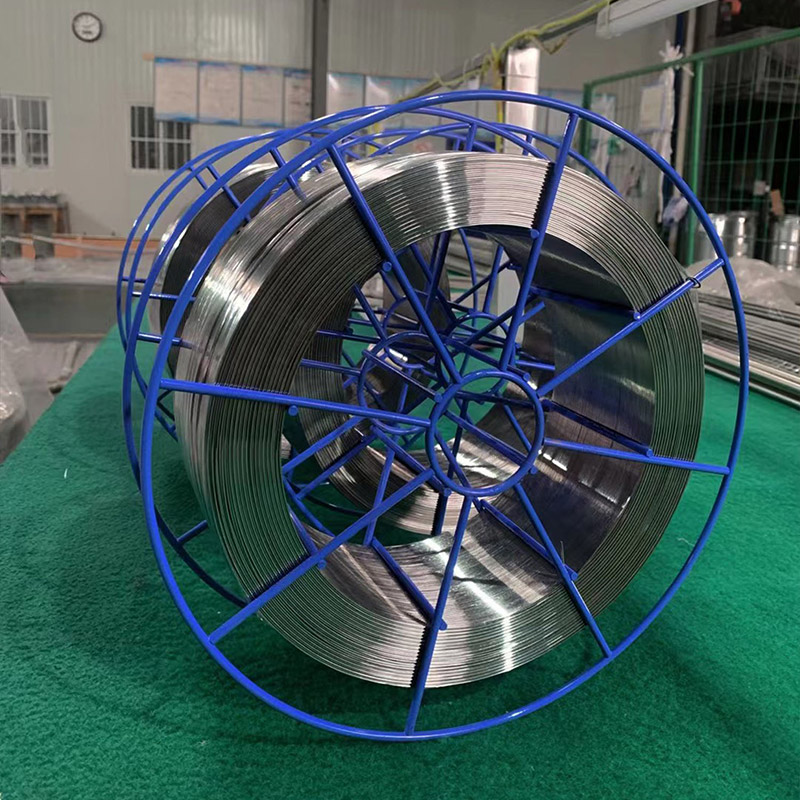
Titanium alloy
- Lightweight and easy to operate
- Good corrosion resistance in handling applications
- Suitable for molten metal sampling tools
- Not suitable for long-term molten exposure
Tungsten
- Extremely high melting point (3422°C)
- Excellent thermal stability
- Ideal for electrodes and high-temperature conductive systems
- High density and difficult machining
Molybdenum & tungsten-molybdenum alloys
- Excellent high-temperature structural stability
- Good thermal conductivity
- Widely used in crucible and containment systems
- Balanced cost and performance
H2:System-Level Engineering in Rare Earth Metallurgy
Rare earth production stability does not depend on a single material or component.
Instead, it depends on the compatibility of the entire high-temperature system:
- Sampling tools
- Crucibles
- Electrodes
- Furnace atmosphere control
A mismatch between any component can lead to process instability and inconsistent product quality.
H2:Conclusion
Rare earth metallurgy is not only about achieving high temperatures or stable alloy composition.
It is fundamentally about maintaining chemical purity across every contact interface in the system.
As demand for high-performance NdFeB materials continues to increase, contamination control and material selection will remain key engineering challenges.
H2:High-Temperature Material Solutions for Rare Earth Industry
We specialize in providing high-temperature contact materials for rare earth metallurgy applications, including:
- Titanium alloy sampling tools for molten metal handling
- Tungsten rods and electrodes for high-temperature systems
- Molybdenum and tungsten-molybdenum crucibles for molten rare earth containment
These materials are designed for environments where contamination control, thermal stability, and long service life are critical.
Call to Action
If you are involved in rare earth melting, refining, or NdPr magnet production, we can support your process with suitable high-temperature material solutions.
👉 Contact us for technical discussion or material selection support.