
Titanium has become one of the most important engineering materials in modern manufacturing.
Known for its exceptional strength-to-weight ratio, excellent corrosion resistance, and long service life, titanium is now widely used in aerospace, chemical processing, marine engineering, medical equipment, energy, electronics, and many other industries.
Whether you are sourcing titanium bars, titanium plates, titanium tubes or custom-machined titanium components, understanding the material’s properties and selecting the correct grade are critical for long-term performance.
This guide introduces the fundamentals of titanium materials and explains how different titanium products are used across various industries.
Why Titanium Is Different
Compared with traditional metals such as carbon steel or stainless steel, titanium offers several unique advantages.
Excellent Corrosion Resistance
Titanium naturally forms a stable oxide film on its surface.
This passive layer continuously protects the metal against corrosion from:
- Seawater
- Chloride solutions
- Acids
- Alkalis
- Humid environments
Because of this property, titanium is widely selected for harsh industrial environments where conventional metals have limited service life.
High Strength with Low Weight
Titanium has a density of approximately 4.5 g/cm³, about 60% that of steel, while maintaining excellent mechanical strength.
This combination allows engineers to reduce equipment weight without sacrificing structural integrity.
Weight reduction improves:
- Transportation efficiency
- Fuel economy
- Equipment handling
- Mechanical performance
High Temperature Performance
Many titanium alloys maintain stable mechanical properties under elevated temperatures.
This makes titanium suitable for:
- Heat exchangers
- Industrial reactors
- Aircraft components
- Vacuum systems
- High-temperature tooling
Excellent Biocompatibility
Commercially pure titanium is non-toxic and highly biocompatible.
For this reason, titanium is extensively used in:
- Medical implants
- Dental implants
- Surgical instruments
Its stable oxide layer also contributes to excellent corrosion resistance in biological environments.
Common Titanium Product Forms
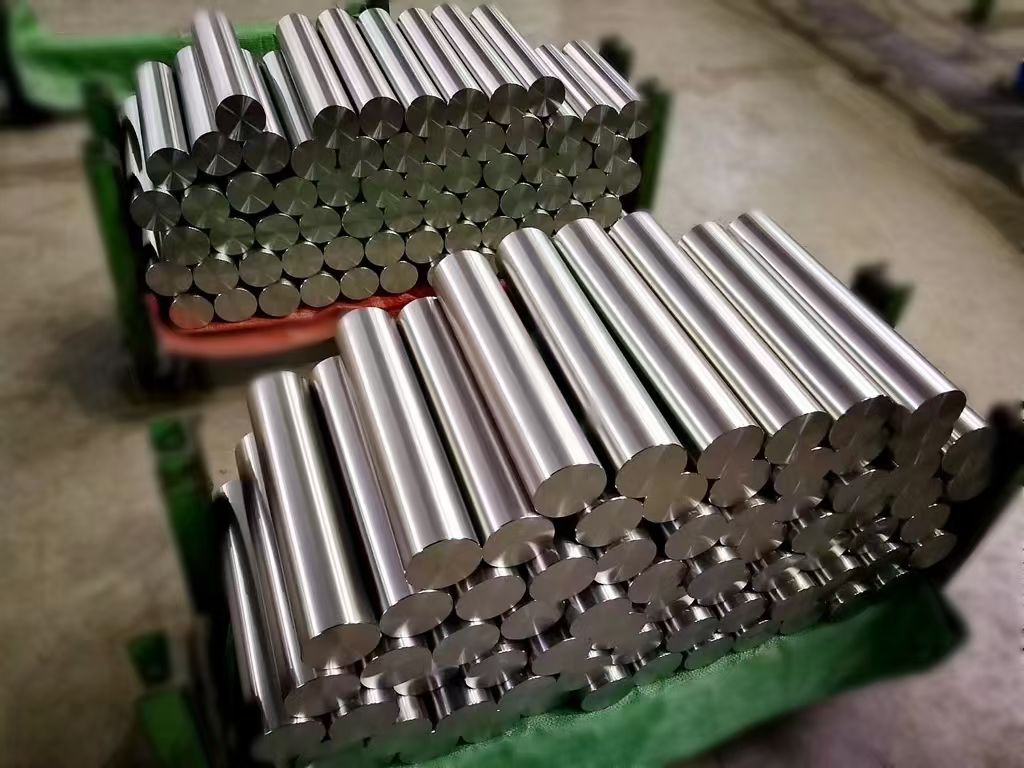
Titanium Bar
Titanium bars are one of the most versatile semi-finished products.
Applications include:
- Precision machining
- Fasteners
- Aerospace parts
- Chemical equipment
- Medical components
- Pump shafts
- Valve stems
Available forms include:
- Round Bar
- Square Bar
- Hexagonal Bar
- Forged Bar
Common Grades:
- Grade 1
- Grade 2
- Grade 5 (Ti-6Al-4V)
- Grade 7
- Grade 9
Titanium Plate
Titanium plates are widely used where high corrosion resistance and structural strength are required.
Typical applications include:
- Pressure vessels
- Chemical reactors
- Heat exchangers
- Marine structures
- Electrolysis equipment
Available thickness:
0.5 mm – 100 mm (customized)
Titanium Sheet
Titanium sheet is generally thinner than plate and is widely used in fabrication industries.
Applications:
- Aerospace panels
- Medical equipment
- Consumer electronics
- Precision fabrication
Titanium Tube
Titanium tubes offer excellent corrosion resistance while remaining lightweight.
Applications include:
- Heat exchangers
- Condensers
- Offshore engineering
- Desalination plants
- Chemical processing equipment
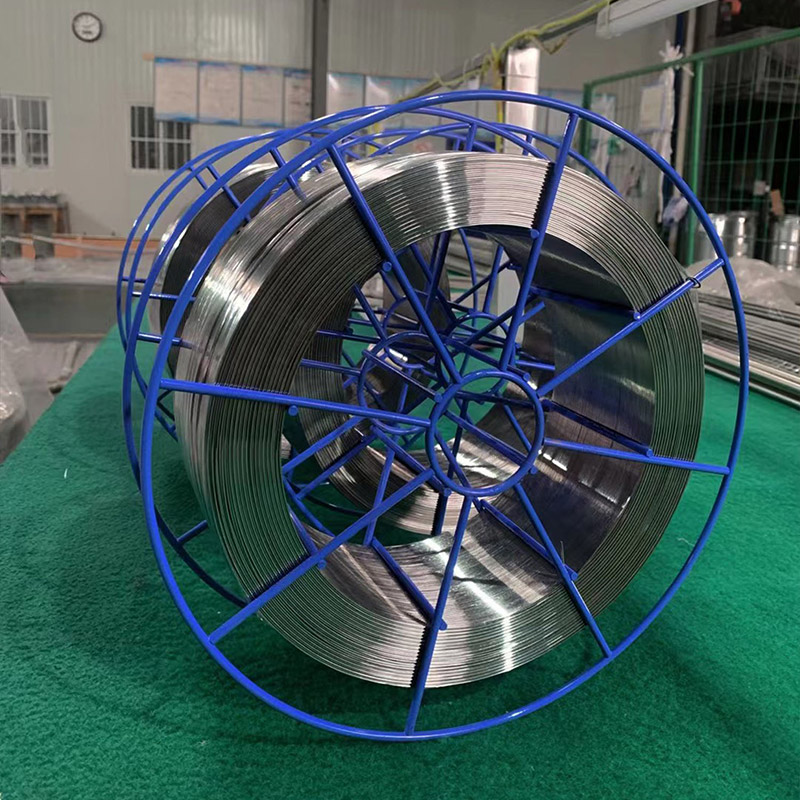
Titanium Wire
Titanium wire is commonly used for:
- Welding filler wire
- Medical devices
- Fasteners
- Springs
- Industrial mesh
- Precision manufacturing
Commercially Pure Titanium vs Titanium Alloy
Commercially Pure Titanium (CP Titanium)
Common grades:
- Grade 1
- Grade 2
- Grade 3
- Grade 4
Advantages:
- Outstanding corrosion resistance
- Excellent weldability
- Good formability
Typical industries:
- Chemical processing
- Marine
- Desalination
- Electroplating
- Heat exchangers
Titanium Alloy
Most popular:
Grade 5 (Ti-6Al-4V)
Advantages:
- Higher strength
- Better fatigue resistance
- Higher temperature capability
Applications:
- Aerospace
- Defense
- Medical implants
- Motorsport
- Precision engineering
Grade 5 is among the most widely used titanium alloys because it combines high strength with relatively low weight and excellent corrosion resistance.
Typical Industrial Applications
Titanium materials are used across many industries.
Aerospace
- Aircraft structures
- Engine components
- Landing gear
- Fasteners
Chemical Industry
- Reactors
- Heat exchangers
- Storage tanks
- Pumps
Marine Engineering
- Seawater pipelines
- Offshore platforms
- Condensers
Medical Industry
- Bone implants
- Dental implants
- Surgical instruments
Energy Industry
- Electrolysis equipment
- Heat exchangers
- Power plants
Oil & Gas
- Offshore equipment
- Pressure vessels
- Corrosion-resistant piping
How to Choose the Right Titanium Grade
When selecting titanium materials, engineers should consider:
✔ Operating temperature
✔ Corrosion environment
✔ Mechanical strength requirements
✔ Weldability
✔ Machining requirements
✔ Applicable ASTM standards
Choosing the correct grade not only improves equipment performance but can also reduce maintenance costs and extend service life.
Why Work with an Experienced Titanium Manufacturer
Selecting the right supplier is just as important as selecting the right material.
A reliable manufacturer should provide:
- Strict quality control
- Material traceability
- Mill Test Certificates (MTC)
- Custom machining services
- Stable production capability
- International export experience
These factors help ensure consistent product quality and reliable delivery for industrial projects.
Conclusion
Titanium continues to replace traditional materials in industries where corrosion resistance, lightweight construction and long service life are essential.
Whether the application involves chemical processing, marine engineering, aerospace manufacturing or medical equipment, choosing the correct titanium grade and product form can significantly improve equipment reliability and reduce lifecycle costs.
As industrial demand continues to grow, titanium bars, plates, sheets, tubes and wires will remain key materials for high-performance engineering applications.