
Titanium plate is widely used in chemical processing, marine engineering, aerospace manufacturing, medical equipment, and industrial machinery because of its excellent corrosion resistance, low density, and favorable mechanical properties.
However, producing high-quality titanium plate involves much more than simply cutting titanium into flat sheets.
The titanium plate manufacturing process includes several important stages, from raw material preparation and melting to forging, rolling, heat treatment, surface finishing, and final inspection.
Each stage influences the material’s microstructure, mechanical properties, dimensional accuracy, and suitability for industrial applications.
For engineers and purchasing managers, understanding how titanium plate is manufactured can help with material selection, supplier evaluation, and quality control.
In this guide, we explain the main stages of titanium plate production, the differences between commercially pure titanium and titanium alloy plates, and the key requirements buyers should consider when sourcing titanium plate.
1. What Is Titanium Plate?
Titanium plate is a flat metal product manufactured from commercially pure titanium or titanium alloys.
Depending on its grade and thickness, titanium plate can be used for corrosion-resistant equipment, structural components, precision machining, and specialized industrial applications.
Common titanium plate grades include:
- Grade 1: Commercially pure titanium with excellent ductility and corrosion resistance.
- Grade 2: Commercially pure titanium offering a useful balance of strength, corrosion resistance, and fabrication performance.
- Grade 5 (Ti-6Al-4V): A high-strength titanium alloy widely used in structural and precision-machined components.
- Grade 7: Palladium-containing titanium with improved corrosion resistance in certain chemical environments.
- Grade 9 (Ti-3Al-2.5V): A titanium alloy offering higher strength than commercially pure titanium with useful formability.
The manufacturing route depends on the selected grade, required thickness, product dimensions, and applicable material specifications.
For many industrial applications, titanium plate is supplied according to ASTM B265, which covers annealed titanium and titanium alloy strip, sheet, and plate.
Other specifications may apply to aerospace, medical, or specialized engineering projects.
2. Overview of the Titanium Plate Manufacturing Process
Titanium plate manufacturing typically involves the following stages:
- Titanium raw material preparation
- Melting and ingot production
- Ingot conditioning and forging
- Hot rolling
- Cold rolling, when required
- Heat treatment
- Surface treatment
- Cutting and dimensional finishing
- Quality inspection and testing
- Packaging and delivery
Not every titanium plate follows exactly the same route.
For example, thick titanium plate may be produced primarily through hot working, while thinner titanium sheet may require additional cold rolling and annealing.
The manufacturing process must be selected according to the final product requirements.
3. Raw Material Preparation
The first stage of titanium plate manufacturing is preparing the appropriate raw materials.
Titanium production commonly begins with titanium sponge, which is produced through industrial extraction and reduction processes.
Titanium sponge is a porous metallic material used as a primary feedstock for producing titanium ingots.
For commercially pure titanium, the chemical composition must meet the requirements of the selected grade.
For titanium alloys, additional alloying elements are introduced to achieve the specified composition.
For example, Grade 5 titanium contains approximately:
- 6% aluminum
- 4% vanadium
- Titanium as the balance
The exact chemical composition must comply with the applicable material specification.
Why Raw Material Quality Matters
Titanium is highly reactive with oxygen, nitrogen, and other elements at elevated temperatures.
Excessive contamination can negatively affect ductility, toughness, and other mechanical properties.
Therefore, careful control of raw material quality and chemical composition is essential.
Important considerations include:
- Raw material purity
- Alloying element control
- Traceability
- Contamination prevention
- Chemical composition verification
These controls help establish the foundation for consistent titanium plate quality.
4. Titanium Melting and Ingot Production
After raw material preparation, titanium is melted and solidified into an ingot.
Titanium has a melting point of approximately 1,668°C.
Because molten titanium is highly reactive, specialized melting equipment and controlled environments are required.
One commonly used industrial method is Vacuum Arc Remelting (VAR).
Vacuum Arc Remelting
In VAR processing, a consumable electrode is melted under vacuum using an electric arc.
The molten metal solidifies into an ingot under controlled conditions.
Depending on the alloy and manufacturing requirements, multiple melting cycles may be used to improve chemical consistency and ingot quality.
Other specialized melting technologies may also be used in titanium production.
Why Melting Quality Is Important
The melting process influences:
- Chemical composition
- Ingot cleanliness
- Alloy homogeneity
- Internal soundness
- Subsequent hot-working performance
For titanium alloys, controlling chemical composition and segregation is especially important.
After solidification, the ingot proceeds to further processing.
5. Ingot Conditioning and Forging
Before rolling, titanium ingots commonly undergo surface conditioning and hot working.
Surface conditioning helps remove defects or irregularities that could affect subsequent processing.
The ingot is then heated to a temperature suitable for deformation.
Titanium Forging Process
Forging applies compressive force to deform the titanium ingot into a more suitable intermediate shape.
Depending on the production route, this may involve:
- Open-die forging
- Press forging
- Breakdown forging
The objective is to transform the original ingot into a slab or other intermediate product suitable for rolling.
Why Forging Is Important
Controlled forging can help:
- Break down the cast structure
- Refine and develop the microstructure
- Improve workability
- Prepare the material for subsequent rolling
Forging temperature, deformation amount, and cooling conditions must be controlled according to the titanium grade.
Excessive or inappropriate processing temperatures can negatively affect the final microstructure and mechanical properties.
6. Hot Rolling: Forming Titanium Plate
Hot rolling is one of the most important stages in titanium plate production.
During this process, the titanium slab is heated and passed through rolling equipment to reduce its thickness.
The rolling process gradually transforms the slab into a flat product with the required approximate dimensions.
How Hot Rolling Works
The typical process includes:
- Heating the titanium slab
- Passing it through rolling stands
- Reducing thickness through successive rolling passes
- Controlling rolling temperature and deformation
- Cooling the rolled product according to the manufacturing procedure
The number of rolling passes depends on the starting slab dimensions and the required final thickness.
Why Rolling Control Matters
Hot rolling influences:
- Plate thickness
- Flatness
- Microstructure
- Mechanical properties
- Surface condition
Titanium’s deformation behavior is sensitive to temperature and alloy composition.
For this reason, hot-rolling procedures must be developed for the specific titanium grade.
Hot-Rolled Titanium Plate Applications
Hot-rolled titanium plate is commonly used for:
- Chemical processing equipment
- Industrial machinery
- Fabricated structures
- Machining blanks
- Corrosion-resistant components
Depending on the specification, additional heat treatment and surface finishing may be required before delivery.
7. Cold Rolling for Thin Titanium Sheet
Cold rolling is commonly used when thinner titanium flat products or improved dimensional control are required.
Unlike hot rolling, cold rolling is performed at relatively low temperatures.
The material passes through rolling equipment to further reduce thickness.
Advantages of Cold Rolling
Cold rolling can provide:
- Improved thickness control
- More uniform surface appearance
- Thin-gauge product capability
- Improved dimensional consistency
However, cold deformation also changes the material’s mechanical properties.
For this reason, intermediate or final annealing may be necessary.
Hot-Rolled vs Cold-Rolled Titanium
| Property | Hot-Rolled Titanium | Cold-Rolled Titanium |
|---|---|---|
| Typical Product | Plate and intermediate flat products | Thin sheet and strip |
| Processing Temperature | Elevated temperature | Relatively low temperature |
| Thickness Reduction | Suitable for substantial reduction | Suitable for further reduction |
| Surface Condition | May require scale removal | Generally more uniform after appropriate finishing |
| Additional Processing | Heat treatment and surface finishing | Annealing and surface finishing may be required |
The correct rolling method depends on the final dimensions, grade, and material specification.
8. Titanium Plate Heat Treatment
Heat treatment is an important step in controlling the mechanical properties and microstructure of titanium plate.
Different titanium grades respond differently to heat treatment.
Commercially pure titanium is commonly annealed to restore ductility and achieve the required material condition.
Certain titanium alloys may undergo more specialized heat treatment depending on the required properties and applicable specification.
Annealing
Annealing involves heating the titanium material under controlled conditions, holding it for an appropriate period, and cooling it according to the specified procedure.
The process can help:
- Reduce residual stresses
- Restore ductility after deformation
- Control microstructure
- Achieve specified mechanical properties
Why Heat Treatment Must Be Controlled
Improper heat treatment can affect:
- Tensile strength
- Yield strength
- Elongation
- Microstructure
- Dimensional stability
Titanium can also react with atmospheric gases at elevated temperatures.
Therefore, suitable furnace conditions and subsequent surface treatment may be necessary to control contamination.
Heat-treatment parameters should be established according to the specific titanium grade and product requirements.
9. Titanium Plate Surface Treatment
After rolling and heat treatment, titanium plate may require surface treatment.
The purpose is to remove oxide scale, control surface condition, or prepare the plate for further fabrication.
Common finishing methods include mechanical cleaning, pickling, machining, and polishing.
Pickling
Pickling is a chemical process used to remove oxide scale and certain surface contaminants.
It can produce a cleaner titanium surface suitable for further industrial processing.
Pickling must be performed using appropriate industrial procedures and safety controls.
Mechanical Surface Finishing
Mechanical finishing methods may include:
- Grinding
- Surface machining
- Polishing
- Other controlled finishing processes
These methods may be selected when the customer requires a particular surface condition or dimensional accuracy.
Why Surface Quality Matters
Surface defects can affect:
- Appearance
- Machining
- Forming
- Inspection
- Performance in certain service environments
For critical applications, surface acceptance criteria should be defined in the purchase specification.
10. Titanium Plate Cutting and Dimensional Finishing
Once the plate has reached the required material condition, it can be cut into the dimensions requested by the customer.
Common cutting and finishing methods include:
- Mechanical sawing
- Shearing, where appropriate
- Waterjet cutting
- Laser cutting under suitable conditions
- CNC machining
The cutting method depends on plate thickness, grade, edge requirements, and dimensional tolerances.
Custom Titanium Plate Dimensions
Customers commonly specify:
- Thickness
- Width
- Length
- Quantity
- Dimensional tolerance
- Surface condition
- Edge condition
For example:
| Parameter | Example Requirement |
|---|---|
| Material | Titanium Grade 2 |
| Standard | ASTM B265 |
| Thickness | 5 mm |
| Width | 1,000 mm |
| Length | 2,000 mm |
| Surface | Pickled |
| Quantity | 10 Pieces |
These are example purchasing requirements, not a statement of standard stock availability.
Cutting Allowance and Machining Requirements
When titanium plate is intended for precision machining, the customer may require additional material allowance.
This allows the final component to be machined to the required dimensions.
Providing a technical drawing helps the supplier evaluate the appropriate starting material size and cutting method.
11. Quality Inspection and Testing
Quality inspection is essential to ensure that finished titanium plate meets the applicable material specification and customer requirements.
Inspection may include chemical composition verification, mechanical testing, dimensional measurement, and surface examination.
Chemical Composition Testing
Chemical analysis verifies that the material complies with the specified titanium grade.
Important elements may include:
- Titanium
- Oxygen
- Nitrogen
- Hydrogen
- Iron
- Alloying elements, where applicable
The required limits depend on the grade and material specification.
Mechanical Testing
Mechanical tests may include:
- Tensile strength
- Yield strength
- Elongation
The acceptance requirements depend on the material grade, product condition, and applicable specification.
Dimensional Inspection
Dimensional inspection may verify:
- Thickness
- Width
- Length
- Flatness
- Other specified tolerances
Surface Inspection
Surface inspection helps identify visible defects or conditions that may not meet the agreed requirements.
Additional Testing
Depending on the application, additional inspection may be requested, such as ultrasonic examination or third-party inspection.
These requirements should be confirmed before manufacturing.
12. ASTM B265 and Titanium Plate Quality Requirements
ASTM B265 is an important international specification for titanium and titanium alloy flat products.
It covers annealed strip, sheet, and plate in specified titanium grades.
For industrial buyers, specifying ASTM B265 provides a common reference for material quality requirements.
However, a complete purchase specification should include more than the ASTM standard number.
Recommended Purchase Information
- Material grade
- Applicable ASTM specification and edition
- Product dimensions
- Required quantity
- Surface condition
- Dimensional tolerances
- Required inspection documents
- Additional testing requirements
A Material Test Certificate (MTC) may be requested to document relevant chemical and mechanical test results.
Where traceability is required, the documentation should correspond to the supplied material and its heat or batch identification.
13. Packaging and Delivery of Titanium Plate
After inspection, titanium plates are prepared for transportation.
Proper packaging helps protect the material during handling, storage, and international shipment.
Depending on product dimensions and transportation requirements, packaging may include:
- Protective wrapping
- Separation between plates
- Secured bundles
- Wooden cases or pallets
- Protective edge materials
Packaging should be selected according to the plate dimensions, weight, surface condition, and shipping method.
For international shipments, buyers should confirm the required packaging method and any applicable import requirements.
14. How Manufacturing Affects Titanium Plate Price
The price of titanium plate depends on several factors.
Material Grade
Commercially pure titanium and titanium alloys have different raw material and processing costs.
For example, Grade 5 titanium may require more demanding processing than commercially pure Grade 2.
Plate Thickness and Dimensions
Plate dimensions influence material utilization, rolling requirements, and cutting costs.
Manufacturing Route
Hot rolling, cold rolling, annealing, and additional finishing processes can affect the final price.
Surface Requirements
Pickling, machining, and polishing may involve additional processing costs.
Inspection Requirements
Additional testing, special certification, and third-party inspection may increase the total order cost.
Order Quantity
Quantity can influence production planning, material utilization, and processing efficiency.
For an accurate quotation, buyers should provide complete technical requirements rather than requesting only a general price per kilogram.
15. Titanium Plate Supply for Industrial Applications
Shaanxi Metres Metals Manufacturing Co., Ltd. supplies titanium materials and custom titanium components for industrial customers worldwide.
Our titanium product range includes:
- Titanium Plate and Sheet
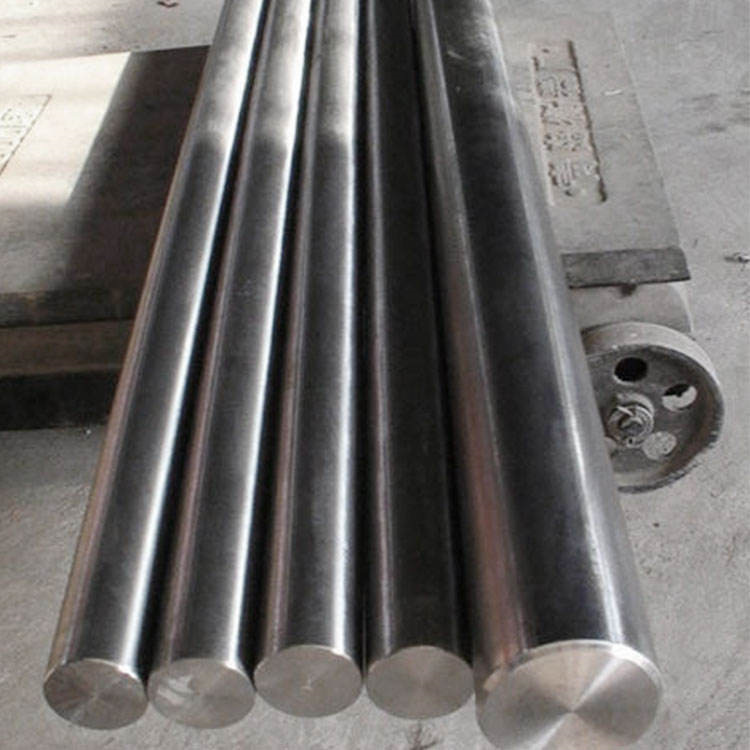
- Titanium Bar and Rod
- Titanium Tube
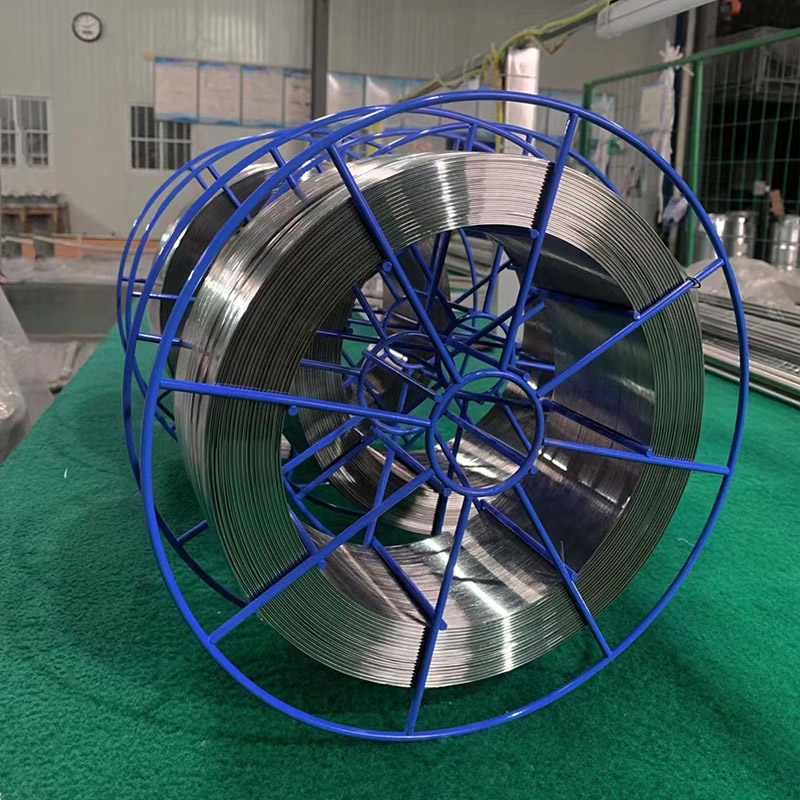
- Titanium Wire
- Titanium Fasteners
- Custom Titanium Components
We support industrial procurement requirements for commercially pure titanium and titanium alloys.
Commonly requested grades include:
- Grade 1
- Grade 2
- Grade 5 (Ti-6Al-4V)
Other material grades can be discussed according to project requirements.
Custom Titanium Plate Supply
Customers can send their requirements for:
- Material grade
- Thickness
- Width and length
- Surface condition
- Quantity
- Cutting or machining requirements
- Applicable material standards
- Inspection documentation
Our team can review the requested specifications and provide a quotation based on material availability and processing feasibility.
16. Frequently Asked Questions
How Is Titanium Plate Manufactured?
Titanium plate is generally manufactured through raw material preparation, melting, ingot production, hot working, rolling, heat treatment, surface finishing, cutting, and inspection.
The exact manufacturing route depends on the titanium grade, thickness, and applicable specification.
What Is the Difference Between Hot-Rolled and Cold-Rolled Titanium Plate?
Hot rolling is performed at elevated temperatures and is commonly used for substantial thickness reduction.
Cold rolling is used primarily for thinner flat products and improved dimensional control.
Additional annealing may be required after cold rolling.
What Is ASTM B265?
ASTM B265 is the standard specification for annealed titanium and titanium alloy strip, sheet, and plate.
It establishes applicable material and product requirements.
Which Titanium Grade Is Commonly Used for Chemical Processing?
Grade 2 commercially pure titanium is widely used in chemical processing equipment because of its corrosion resistance and fabrication characteristics.
However, material compatibility depends on the specific chemicals, concentrations, temperatures, and operating conditions.
Can Titanium Plate Be Cut to Custom Sizes?
Yes. Titanium plate can be cut or machined into custom dimensions using suitable processing methods.
The available dimensions and tolerances should be confirmed before ordering.
Why Is Titanium Plate More Expensive Than Conventional Steel Plate?
Titanium production requires specialized extraction, melting, and processing methods.
Raw material costs, manufacturing complexity, inspection requirements, and machining costs can contribute to its higher price.
What Information Is Needed for a Titanium Plate Quotation?
Customers should provide the material grade, applicable standard, thickness, width, length, quantity, surface requirements, and any special inspection or certification requirements.
For custom components, technical drawings are recommended.
Conclusion
The titanium plate manufacturing process involves multiple stages, from raw material preparation and melting to forging, rolling, heat treatment, surface finishing, and final inspection.
Each stage plays an important role in determining the quality and performance of the finished product.
For industrial buyers, understanding these processes helps improve material selection, supplier evaluation, and procurement efficiency.
Whether purchasing Grade 2 titanium plate for chemical equipment or Grade 5 titanium alloy plate for high-strength components, buyers should clearly define the required material grade, dimensions, applicable standards, and quality documentation.
Looking for titanium plate or custom titanium components?
Contact Shaanxi Metres Metals Manufacturing Co., Ltd. with your specifications or technical drawings.
Our team can review your material requirements and provide a quotation for your industrial project.